

 +400-8110278

 International Headquarters:
No. 801 Huagang Road, Wujiang Economic and Technological Development Zone, Suzhou City, Jiangsu Province, China
Global Customer Service Center:
Room 1101, Building 7, Phase 2, Nan'an Xindi, Suzhou Industrial Park, Jiangsu Province, China
No.20306 & 20307, 1st Street, 2nd Floor, East No.3 Gate, Zone 2, Yiwu International Trade City, Zhejiang Province, China
3rd Floor, Plaza No. 157, Main Boulevard, Sector C, DHA Phase 6, Lahore, Pakistan
No. 65A Rustaveli Street, Yakasaray District, Tashkent, Uzbekistan
All-in-One Energy Storage System Solutions for Residential and Commercial Power Backup
Power backup is no longer only a “standby” function. For many homes, shops, offices, farms, small factories and remote sites, backup power has become part of daily energy planning. Grid instability, high electricity demand, peak-hour pressure and the growing use of solar power are pushing more users to look for energy storage systems that are easier to install, safer to operate and more flexible for future expansion.
This is why the All-in-One Energy Storage System has become a practical option for both residential and commercial users. Instead of purchasing separate inverters, batteries, control units and accessories from different suppliers, an all-in-one system integrates key functions into one coordinated energy storage solution. For buyers, installers and project owners, this can reduce system complexity and make solar-storage projects easier to design, deploy and manage.
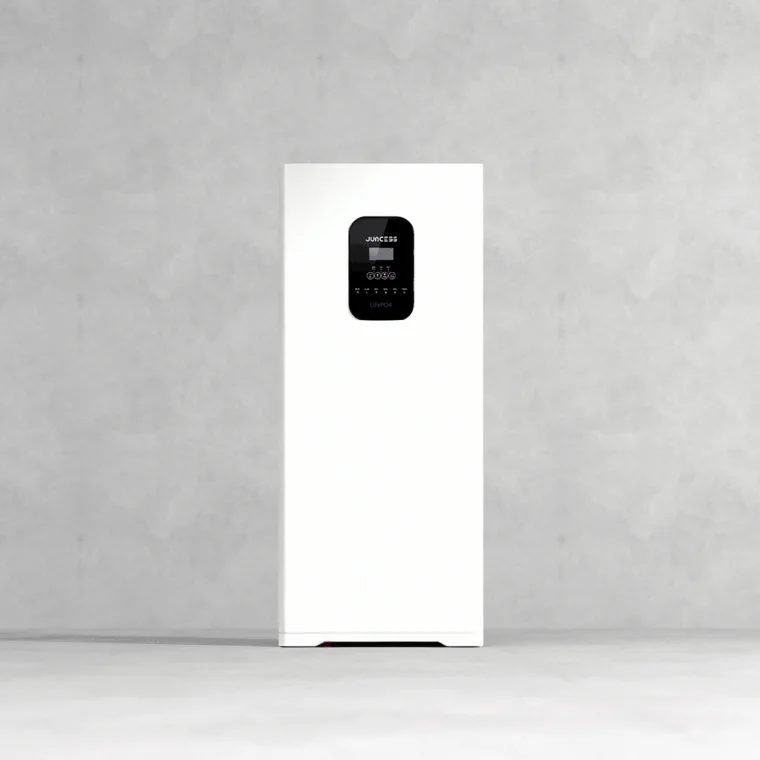
Juncess Energy provides all-in-one energy storage system solutions designed for off-grid and backup power applications. The system combines LFP battery technology, inverter control, solar charging and intelligent operation features in a compact structure, helping users store solar energy and maintain power supply when the grid is unavailable or unstable.
Why All-in-One Energy Storage Is Becoming More Practical
Traditional backup systems often depend on fuel generators or separated battery and inverter combinations. These solutions can work, but they may create issues in installation, maintenance, compatibility and long-term operating costs. For example, if the battery, inverter and monitoring system come from different sources, installers need to spend more time checking communication protocols, wiring, system matching and after-sales responsibility.
An all-in-one energy storage system solves many of these concerns by offering a more integrated structure. The power conversion system, battery module, charging control and operating interface are designed to work together from the beginning. This makes the system more suitable for users who need reliable power but do not want a complicated engineering process.
For residential users, the system can support essential household loads such as lighting, refrigerators, routers, computers and basic appliances during outages. For small commercial users, it can help keep key equipment running, reduce downtime and improve energy continuity. In areas with frequent grid fluctuation, the value of a stable backup system becomes even clearer.
Designed for Residential Power Backup
In residential applications, the main concern is usually simple: keep the home running when the grid fails, and make better use of solar power during the day. A properly configured all-in-one energy storage system can store electricity from photovoltaic panels and release it when needed, such as at night, during power cuts or during peak electricity periods.
Juncess Energy’s off-grid all-in-one energy storage system is designed with easy installation, scalable expansion, LFP battery core technology, Grade A cells and reliable quality as key product features. The product also supports JUNCESS App use, making it easier for users to view system status and manage energy operation in daily use.
For households, this type of system is suitable for villas, rural homes, island residences, off-grid houses and areas where electricity supply is unstable. Compared with a loose combination of separate devices, an integrated system can save installation space and reduce the visual and wiring complexity inside the home energy room.
The product’s optional WiFi module and Bluetooth App configuration also support more convenient monitoring, which is useful for homeowners who want to understand battery status, charging condition and system performance without opening the equipment cabinet every time.
Supporting Small Commercial and Business Continuity
Commercial backup power has different requirements from residential use. Shops, offices, communication rooms, clinics, small warehouses and light commercial sites often need backup systems that can respond quickly and protect essential operations. Even a short outage can interrupt payment systems, refrigeration, network devices, lighting, security systems or customer service operations.
The Juncess all-in-one off-grid system includes model options with rated load power of 3500W, 6000W and 11000W, giving buyers different capacity choices according to application needs. The system also offers surge power levels of 7000W, 12000W and 22000W across the listed models, which helps support equipment with higher startup power demand when properly configured.
For some commercial projects, scalability is especially important. According to the product details, the JNS6KN model supports up to 12 units in parallel, while the JNS11KN model supports up to 6 units in parallel with 380VAC parallel output. This gives installers more flexibility when planning larger backup systems for commercial or small industrial use.
This scalability is important because many users do not want to overbuild the system at the beginning. A small shop may start with a basic system for critical loads, while a growing business may later need additional capacity. A scalable system helps reduce the pressure of one-time system planning and gives the project more room for adjustment.
Solar Charging and Energy Use Flexibility
A major advantage of all-in-one energy storage system solutions is their ability to work with solar power. When paired with PV modules, the system can charge from solar energy during the day and provide electricity when solar generation is low or the grid is unavailable. This makes it suitable for areas with high sunlight resources, expensive grid power or weak grid infrastructure.
The Juncess all-in-one off-grid system supports solar charger functions, with listed maximum PV array power options of 4000W, 6500W and up to 11KW depending on the model. It also supports MPPT input and a wide MPPT operating voltage range of 55–450VDC, helping the system adapt to different PV configurations.
For project buyers, these details matter because solar-storage performance depends not only on battery capacity, but also on charging efficiency, PV compatibility and system control. The product details show a maximum efficiency of 99.9% for the solar charging section, which supports efficient energy conversion in solar charging applications.
In practical terms, this allows users to build a more independent energy structure: solar panels generate power, the storage system stores surplus energy, and the system supplies loads when direct solar generation is not enough. This model is valuable for homes, rural commercial facilities, remote offices, farms and off-grid sites.
LFP Battery Technology for Safer Long-Term Use
Safety is one of the most important concerns when selecting an energy storage system. Buyers are not only comparing capacity and output power; they also need to consider battery chemistry, cell quality, temperature range, protection design and system life.
The Juncess all-in-one off-grid energy storage system uses LFP, or lithium iron phosphate, battery technology. The product page also highlights Grade A cells and reliable quality as key features. LFP batteries are widely used in energy storage because they are known for stable performance and suitability for repeated charge-discharge use.
The system provides nominal battery voltage of 51.2VDC and energy capacity options of 5.22kWh, 11.77kWh and 16.07kWh depending on the model. The listed design life is 10 years, which supports long-term residential and commercial backup applications when the system is used and maintained correctly.
Another detail worth noting is the fire protection system listed in the product parameters: perfluoro-2-methyl-3-pentanone. This reflects the importance of protection design in modern energy storage systems, especially for indoor or semi-indoor backup power applications.
Easier Installation and Lower Project Complexity
For installers and distributors, installation efficiency is a real business concern. A system that is difficult to wire, commission or explain to end users can increase project time and after-sales workload. An all-in-one energy storage system can reduce this pressure by combining key components in one cabinet-style product.
Juncess Energy positions easy installation and scalable expansion as major product advantages. This is useful for residential solar installers, small commercial EPC teams and local distributors who need repeatable solutions for different customer sites.
The compact product dimensions shown in the product details also make the system easier to plan for homes and small commercial spaces. Depending on the model, the listed product dimensions range from 200×480×861 mm to 230×480×1181 mm, while product weights range from 50 kg to 129 kg. These specifications help buyers estimate installation space, transport requirements and site preparation before purchase.
How to Choose the Right System Capacity
When selecting an all-in-one energy storage system, buyers should avoid choosing only by battery capacity. A practical selection should consider at least four points: load type, backup duration, solar charging capacity and future expansion needs.
For a home, the system should first cover essential loads. These may include lights, communication equipment, refrigeration and selected appliances. For a business, the priority may be payment systems, computers, security devices, network equipment or production-related auxiliary equipment.
The next question is how long the backup power needs to last. A 5.22kWh system may suit lighter backup use, while 11.77kWh or 16.07kWh options may be more suitable for longer runtime or heavier loads. If the site also has solar panels, PV charging capacity should be matched carefully so the battery can be recharged effectively during daylight hours.
For commercial users, parallel expansion support can also be important. If the power demand may grow later, selecting a system platform that supports expansion can make future upgrades easier.
Juncess Energy as a Solar-Storage Solution Partner
Juncess Energy has 11 years of experience in the new energy sector and has built capabilities across channels, R&D, manufacturing and solutions. The company has developed overseas market experience across Asia, Europe, Africa, the Middle East and Australia, with more than 400 long-term strategic partners. Its business has expanded from PV module trading into energy storage, supported by a current energy storage production capacity of 1.5 GWh.
For global buyers, this background matters because energy storage projects require more than a product list. They require product matching, technical communication, delivery capability and long-term cooperation. As solar-storage integration becomes more important in residential and commercial markets, buyers need suppliers that understand both photovoltaic systems and energy storage applications.
Juncess Energy focuses on solar-storage integrated solutions and continues to combine photovoltaic technology, energy storage systems and digital energy concepts. Its all-in-one energy storage system solutions are suitable for users who need practical backup power, solar charging capability and scalable system design.
All-in-one energy storage systems are becoming a strong choice for residential and commercial backup power because they simplify system design, reduce installation complexity and support solar energy use more effectively. For homes, they provide a cleaner and more convenient way to maintain essential electricity during outages. For businesses, they help protect operations from power interruptions and support more stable energy management.
With LFP battery technology, multiple capacity options, solar charging support, scalable expansion and intelligent monitoring, Juncess Energy’s all-in-one off-grid energy storage system provides a practical solution for buyers looking to build reliable solar-storage backup power systems.
As more regions face grid pressure and higher demand for clean energy, integrated storage solutions will continue to play an important role in residential, commercial and off-grid power applications.




International Headquarters :
No. 801 Huagang Road, Wujiang Economic and Technological Development Zone, Suzhou City, Jiangsu Province, China
Global Customer Service Center:
Room 1101, Building 7, Phase 2, Nan'an Xindi, Suzhou Industrial Park, Jiangsu Province, China
No.20306 & 20307, 1st Street, 2nd Floor, East No.3 Gate, Zone 2, Yiwu International Trade City, Zhejiang Province, China
3rd Floor, Plaza No. 157, Main Boulevard, Sector C, DHA Phase 6, Lahore, Pakistan
No. 65A Rustaveli Street, Yakasaray District, Tashkent, Uzbekistan
