

 +400-8110278

 International Headquarters:
No. 801 Huagang Road, Wujiang Economic and Technological Development Zone, Suzhou City, Jiangsu Province, China
Global Customer Service Center:
Room 1101, Building 7, Phase 2, Nan'an Xindi, Suzhou Industrial Park, Jiangsu Province, China
No.20306 & 20307, 1st Street, 2nd Floor, East No.3 Gate, Zone 2, Yiwu International Trade City, Zhejiang Province, China
3rd Floor, Plaza No. 157, Main Boulevard, Sector C, DHA Phase 6, Lahore, Pakistan
No. 65A Rustaveli Street, Yakasaray District, Tashkent, Uzbekistan
Common Applications of the LR5-28HTH-225M in Residential and Commercial PV Systems
As solar energy continues to expand worldwide, choosing the right photovoltaic (PV) module has become a critical decision for homeowners, commercial developers, EPC contractors, and solar distributors. While system design, inverter selection, and installation quality all contribute to project performance, the solar module remains the core component that determines long-term energy production and system reliability.
When evaluating a PV module, installers and project owners often begin by reviewing its technical documentation. A comprehensive datasheet provides essential information about certifications, quality standards, and product reliability, helping buyers determine whether the module is suitable for their application.
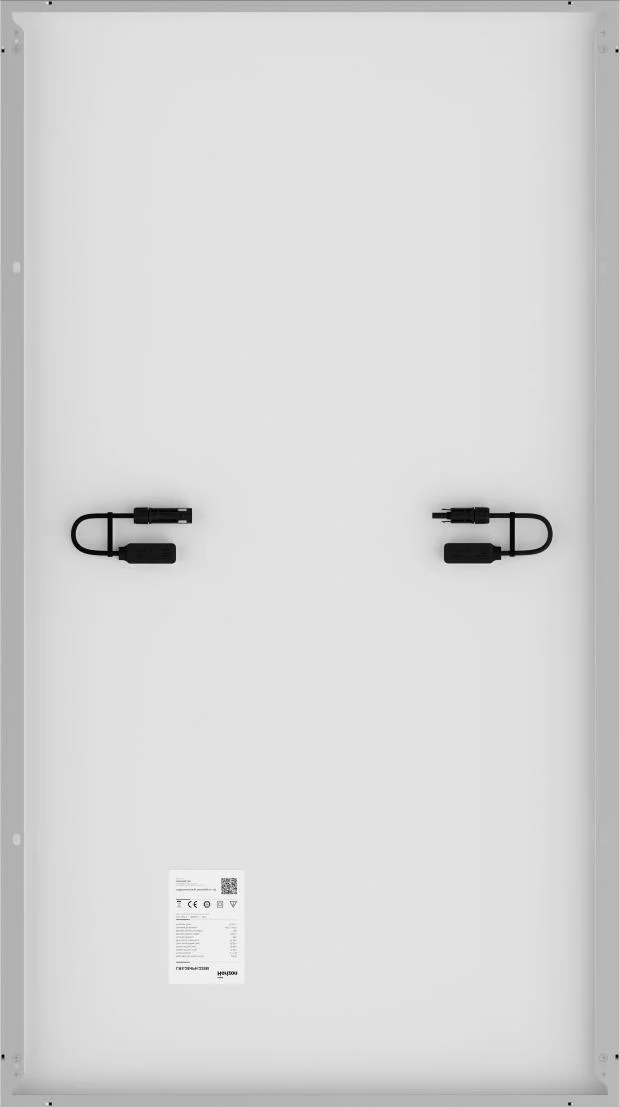
The LR5-28HTH-225M Datasheet Version 2 provides valuable insights into a module designed for both residential and commercial photovoltaic systems. This article explores where this module is commonly used, what factors make it suitable for different projects, and why certified PV products play such an important role in long-term solar investments.
Why the Datasheet Matters Before Selecting a PV Module
Many buyers focus only on module power output, but a professional solar project requires much more than wattage comparisons.
A datasheet helps engineers and procurement teams evaluate whether a module complies with international standards, meets project specifications, and is suitable for local regulations.
Important information typically found in a datasheet includes:
Product certifications
Manufacturing quality standards
Safety compliance
Environmental management systems
Design qualification
Application recommendations
Reviewing this information before procurement helps reduce project risks and improves long-term system reliability.
Residential Rooftop Solar Systems
One of the most common applications for the LR5-28HTH-225M module is residential rooftop solar.
Homeowners increasingly invest in solar systems to reduce dependence on traditional electricity sources while improving energy sustainability.
Residential installations generally require modules that provide:
Stable long-term performance
High manufacturing quality
Reliable safety certifications
Compatibility with residential PV system designs
Certified modules help homeowners gain confidence that their investment will continue producing electricity over many years.
Whether installed on pitched roofs or flat rooftops, properly certified PV modules contribute to dependable household energy generation.
Commercial and Industrial Rooftop Projects
Commercial buildings often have large roof areas that are ideal for photovoltaic installations.
Factories, warehouses, shopping centers, office buildings, schools, and logistics facilities increasingly deploy rooftop PV systems to offset daytime electricity consumption.
Commercial projects typically prioritize:
Reliable module quality
Stable long-term operation
International certification compliance
Consistent manufacturing standards
Using products documented through the LR5-28HTH-225M datasheet version 2 allows project developers to verify that modules satisfy internationally recognized quality requirements before installation.
Distributed Solar Power Systems
Distributed generation continues to grow rapidly in both developed and emerging markets.
Unlike centralized solar farms, distributed systems generate electricity close to where it is consumed.
Typical applications include:
Residential communities
Industrial parks
Commercial complexes
Educational institutions
Healthcare facilities
Government buildings
For distributed projects, long-term operational stability is especially important because maintenance resources may be limited.
Modules manufactured under internationally recognized quality management systems help reduce operational risks throughout the system lifecycle.
EPC and Turnkey Solar Projects
Engineering, Procurement, and Construction (EPC) companies require PV modules that meet strict project documentation requirements.
During project bidding and technical evaluation, certifications are often reviewed alongside electrical specifications.
The LR5-28HTH-225M Datasheet Version 2 includes internationally recognized certifications such as:
IEC 61215
IEC 61730
UL 61730
These certifications demonstrate compliance with internationally accepted standards covering module safety, performance, and reliability.
For EPC contractors working on international projects, certified modules simplify project approval and client acceptance.
Utility Support and Institutional Projects
Government agencies, schools, hospitals, universities, and public facilities frequently implement solar energy projects as part of long-term sustainability initiatives.
Public-sector projects generally emphasize:
Product consistency
Regulatory compliance
Documented quality management
Occupational safety
Environmental responsibility
Modules manufactured under recognized certification systems provide greater confidence during public procurement and project evaluation.
Why Quality Management Systems Matter
Solar modules operate outdoors for many years under changing environmental conditions.
Manufacturing quality directly influences long-term system reliability.
The LR5-28HTH-225M Datasheet Version 2 references several internationally recognized management systems, including:
ISO 9001 Quality Management System
ISO 9001 demonstrates that manufacturing processes follow structured quality management practices.
Consistent production processes help improve product uniformity while reducing manufacturing variation.
ISO 14001 Environmental Management System
Environmental management has become increasingly important throughout global manufacturing.
ISO 14001 indicates that production activities follow internationally recognized environmental management practices, supporting more sustainable manufacturing operations.
OHSAS 18001 Occupational Health and Safety
Safe manufacturing environments contribute to stable production and responsible industrial management.
Occupational health and safety management reflects a manufacturer's commitment to protecting employees while maintaining efficient operations.
TS62941 Module Design Qualification
TS62941 provides guidance for photovoltaic module design qualification and production consistency.
For project developers, this additional layer of quality assurance supports confidence in long-term product reliability.
Suitable for International Solar Markets
Global solar projects often require modules that satisfy internationally recognized certification standards.
Whether projects are located in Asia, Europe, Africa, the Middle East, or Australia, internationally certified modules simplify project approval and procurement.
This is particularly important for international distributors and EPC contractors serving multiple countries with different regulatory requirements.
Working with an Experienced Solar Solution Provider
Beyond selecting the right module, choosing a reliable supply partner is equally important.
Jiangsu Juncess Energy Co., Ltd. has more than eleven years of experience in the renewable energy industry.
The company has developed comprehensive capabilities covering:
PV module supply
International distribution
Manufacturing resources
Technical solutions
Global market development
Beginning with photovoltaic module trading, Juncess has established an extensive international sales network supported by localized market operations.
The company has built strong market positions in Pakistan and Central Asia, particularly Uzbekistan, while continuing to expand into high-growth regions such as West Africa, including Nigeria.
In addition, Juncess has established business operations in high-value markets including Australia.
Today, the company's business spans Asia, Europe, Africa, the Middle East, and Australia, supported by more than 400 long-term strategic partners.
Its international experience enables customers to receive professional support throughout product selection, procurement, and project implementation.
Choosing the Right Module for Your PV Project
Before selecting any photovoltaic module, buyers should evaluate several important factors beyond electrical specifications.
Consider the following:
International certifications
Manufacturing quality systems
Safety standards
Long-term supplier reliability
Global project experience
Technical documentation
After-sales support
A carefully selected module helps improve project reliability while reducing operational risks over the entire system lifecycle.
Final Thoughts
Residential and commercial photovoltaic projects require more than simply choosing a solar panel with suitable power output. Long-term success depends on selecting products supported by internationally recognized certifications, proven manufacturing systems, and reliable technical documentation.
The LR5-28HTH-225M Datasheet Version 2 provides valuable information that helps installers, distributors, EPC contractors, and project owners evaluate whether a module meets the quality, safety, and compliance requirements of modern solar installations.
Combined with the global supply capabilities and industry experience of Jiangsu Juncess Energy Co., Ltd., certified photovoltaic modules can support dependable residential, commercial, and distributed energy projects across diverse international markets.




International Headquarters :
No. 801 Huagang Road, Wujiang Economic and Technological Development Zone, Suzhou City, Jiangsu Province, China
Global Customer Service Center:
Room 1101, Building 7, Phase 2, Nan'an Xindi, Suzhou Industrial Park, Jiangsu Province, China
No.20306 & 20307, 1st Street, 2nd Floor, East No.3 Gate, Zone 2, Yiwu International Trade City, Zhejiang Province, China
3rd Floor, Plaza No. 157, Main Boulevard, Sector C, DHA Phase 6, Lahore, Pakistan
No. 65A Rustaveli Street, Yakasaray District, Tashkent, Uzbekistan
