

 +400-8110278

 International Headquarters:
No. 801 Huagang Road, Wujiang Economic and Technological Development Zone, Suzhou City, Jiangsu Province, China
Global Customer Service Center:
Room 1101, Building 7, Phase 2, Nan'an Xindi, Suzhou Industrial Park, Jiangsu Province, China
No.20306 & 20307, 1st Street, 2nd Floor, East No.3 Gate, Zone 2, Yiwu International Trade City, Zhejiang Province, China
3rd Floor, Plaza No. 157, Main Boulevard, Sector C, DHA Phase 6, Lahore, Pakistan
No. 65A Rustaveli Street, Yakasaray District, Tashkent, Uzbekistan
How Energy Storage Batteries Help Reduce Electricity Costs in Australia
Australia has one of the highest household electricity costs among developed countries, and energy prices continue to fluctuate due to grid demand, peak-time pricing, and increasing reliance on renewable energy. As more households and businesses install solar panels, the challenge is no longer just generating electricity, but storing and using it efficiently.
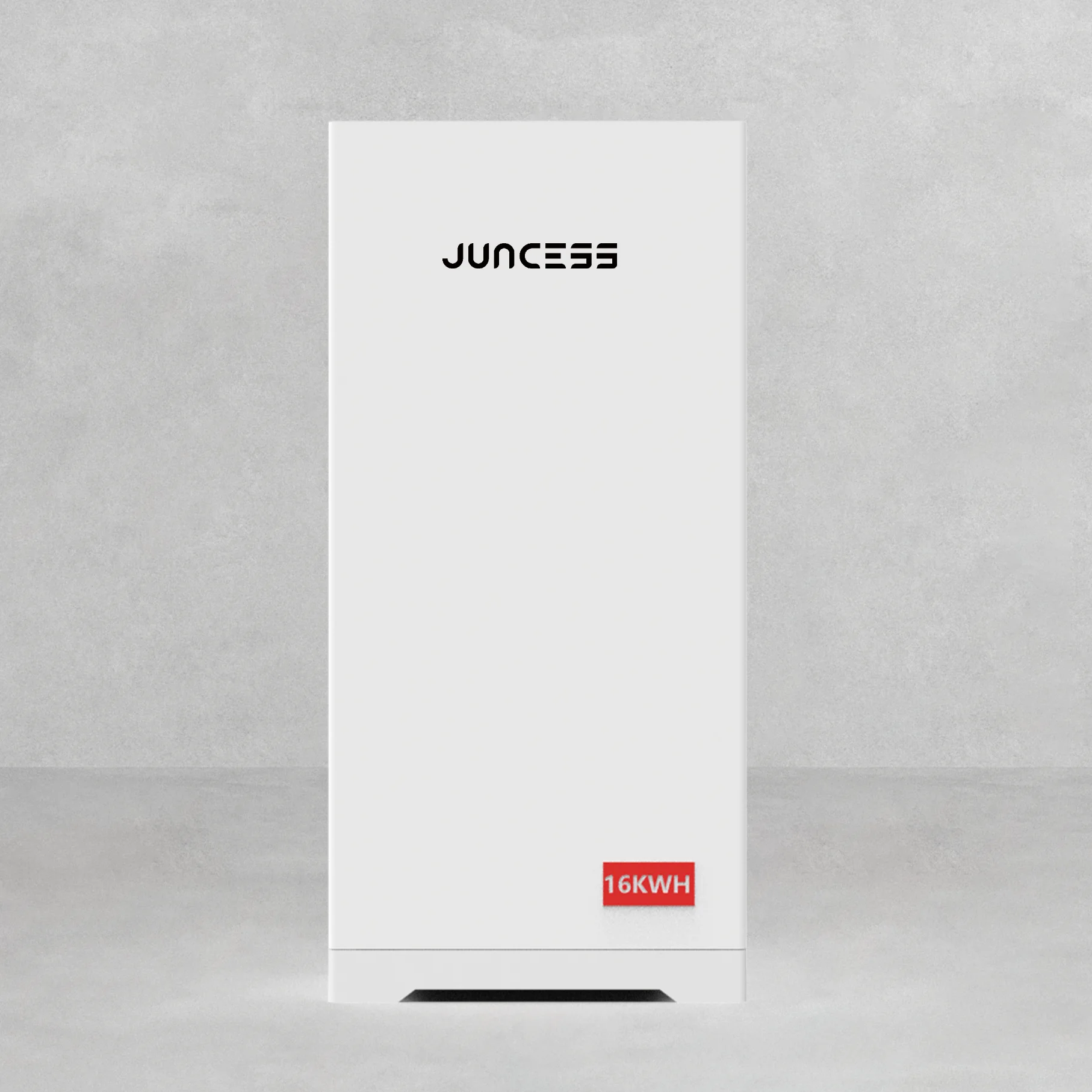
This is where modern energy storage systems play a crucial role. The Floor-Standing Australian Version 16kWh (Energy Storage Battery) is designed to help users reduce electricity costs, improve energy independence, and optimize solar energy utilization.
In this article, we will explain how energy storage batteries reduce electricity bills in Australia and why the 16kWh floor-standing system is becoming a practical choice for residential and small commercial energy users.
Understanding Electricity Costs in Australia
To understand the value of energy storage, it is important to first look at how electricity pricing works in Australia.
Most utility providers use a time-of-use tariff model, which means electricity prices vary depending on the time of day:
· Peak hours: highest electricity cost
· Shoulder hours: moderate cost
· Off-peak hours: lowest cost
Households that rely entirely on grid electricity often pay significantly more during peak hours in the evening when energy demand is highest.
This pricing structure creates a clear opportunity for energy storage systems to reduce costs by shifting energy usage.
How Energy Storage Batteries Reduce Electricity Costs
Energy storage batteries work by storing electricity when it is cheap or freely available and discharging it when electricity prices are high.
In a typical residential solar system:
1. Solar panels generate electricity during the day
2. Excess energy is stored in the battery
3. Stored energy is used at night or during peak pricing periods
This process reduces dependence on the grid and minimizes expensive peak-hour electricity consumption.
Key cost-saving mechanisms include:
· Peak shaving (reducing high-cost grid usage)
· Load shifting (using stored energy at optimal times)
· Maximizing solar self-consumption
· Reducing grid export dependency
· Providing backup power during outages
Over time, these benefits contribute to noticeable reductions in electricity bills.
Why 16kWh Capacity Is Ideal for Australian Homes
The 16kWh capacity is particularly suitable for Australian households and small commercial users because it provides a balance between energy storage and daily consumption patterns.
A 16kWh system can typically support:
· Evening household energy use
· Air conditioning during peak periods
· Kitchen appliances and lighting
· Home office and entertainment systems
· Partial backup during power outages
For many homes, this capacity allows users to significantly reduce or even eliminate reliance on grid electricity during peak pricing hours.
Floor-Standing Design for Flexible Installation
One of the key advantages of this system is its floor-standing design, which offers installation flexibility compared to wall-mounted systems.
Benefits include:
· Easier installation in garages or utility rooms
· No structural wall limitations
· Better heat dissipation
· Simplified maintenance access
· Suitable for both residential and small commercial environments
This design makes the system more adaptable to different building layouts, especially in retrofit solar installations.
Flexible Compatibility with Solar Systems
The Australian version 16kWh energy storage battery is designed for flexible compatibility, allowing it to integrate with a wide range of photovoltaic (PV) systems and inverters.
This compatibility ensures:
· Smooth integration with existing solar installations
· Reduced system upgrade costs
· Easier expansion of energy capacity
· Support for hybrid solar systems
For homeowners upgrading from basic solar setups, this flexibility is a major advantage.
Long-Lasting Reliability for Daily Cycling
Energy storage systems must operate reliably every day, often with multiple charge and discharge cycles.
The 16kWh system is built with long-lasting reliability, ensuring stable performance over extended periods of use.
This is important because:
· Daily cycling requires durable battery chemistry
· Stable performance reduces maintenance needs
· Long lifespan improves return on investment
· Consistent output ensures energy availability
For Australian households dealing with rising energy costs, long-term reliability is a critical factor in system selection.
Robust Safety for Residential and Commercial Use
Safety is one of the most important considerations in energy storage systems.
This battery system is designed with robust safety features, ensuring stable operation under various environmental and load conditions.
Safety considerations typically include:
· Overcharge protection
· Temperature control systems
· Short-circuit protection
· Voltage stabilization
· Battery management system (BMS)
These features help ensure safe operation in residential garages, utility rooms, and small commercial environments.
Smart and Hassle-Free Energy Management
Modern energy storage systems are no longer just passive storage devices. They are intelligent energy management systems.
The “smart & hassle-free” design allows users to:
· Automatically manage charging and discharging
· Optimize energy usage based on demand patterns
· Reduce manual intervention
· Monitor system performance (depending on inverter integration)
· Improve overall energy efficiency
This makes the system suitable for users who want energy savings without complex system management.
Role of Energy Storage in Australia’s Renewable Transition
Australia is rapidly expanding its use of renewable energy, particularly solar power. However, solar energy generation is intermittent, meaning it does not always match household demand.
Energy storage bridges this gap by:
· Storing excess solar energy during daylight
· Providing stable energy supply at night
· Supporting grid stability
· Reducing reliance on fossil-fuel-based electricity
As more households adopt solar systems, battery storage becomes an essential component of modern energy infrastructure.
Why Choose Jiangsu Juncess Energy Co., Ltd.
Behind reliable energy storage solutions is a strong manufacturing and technology foundation.
Jiangsu Juncess Energy Co., Ltd. has over 11 years of expertise in the new energy sector, building a full-chain capability that includes:
· Research and development
· Manufacturing
· Global channel distribution
· Energy system solutions
The company has developed a structured overseas network starting from photovoltaic module trading and expanding into comprehensive energy solutions.
By combining R&D strength with global market experience, Juncess Energy provides stable and scalable energy storage solutions that support both residential and commercial applications.
Practical Value for Australian Users
For Australian households and small businesses, the 16kWh floor-standing energy storage system delivers practical benefits:
· Reduced electricity bills through peak shaving
· Increased solar energy utilization
· Greater energy independence
· Backup power during outages
· Stable long-term performance
As energy prices continue to fluctuate, these advantages become increasingly valuable.
Conclusion
Energy storage systems are becoming a key solution for reducing electricity costs in Australia. By storing solar energy and optimizing usage during peak pricing periods, households can significantly reduce reliance on expensive grid electricity.
The Floor-Standing Australian Version 16kWh (Energy Storage Battery) combines flexible compatibility, long-lasting reliability, robust safety, and smart energy management to provide a practical and efficient energy solution for modern users.
As Australia continues its transition toward renewable energy, residential and small commercial energy storage systems will play an increasingly important role in building a more efficient and cost-effective energy future.




International Headquarters :
No. 801 Huagang Road, Wujiang Economic and Technological Development Zone, Suzhou City, Jiangsu Province, China
Global Customer Service Center:
Room 1101, Building 7, Phase 2, Nan'an Xindi, Suzhou Industrial Park, Jiangsu Province, China
No.20306 & 20307, 1st Street, 2nd Floor, East No.3 Gate, Zone 2, Yiwu International Trade City, Zhejiang Province, China
3rd Floor, Plaza No. 157, Main Boulevard, Sector C, DHA Phase 6, Lahore, Pakistan
No. 65A Rustaveli Street, Yakasaray District, Tashkent, Uzbekistan
