

 +400-8110278

 International Headquarters:
No. 801 Huagang Road, Wujiang Economic and Technological Development Zone, Suzhou City, Jiangsu Province, China
Global Customer Service Center:
Room 1101, Building 7, Phase 2, Nan'an Xindi, Suzhou Industrial Park, Jiangsu Province, China
No.20306 & 20307, 1st Street, 2nd Floor, East No.3 Gate, Zone 2, Yiwu International Trade City, Zhejiang Province, China
3rd Floor, Plaza No. 157, Main Boulevard, Sector C, DHA Phase 6, Lahore, Pakistan
No. 65A Rustaveli Street, Yakasaray District, Tashkent, Uzbekistan
Is photovoltaic energy storage really worth installing
Photovoltaic energy storage (PV-storage system) is a setup that combines power generation from solar PV panels with storage batteries. It stores electricity during the day and discharges power at night or during grid outages, realizing self-generated self-consumption and off-grid power supply security. The PV+energy storage system is shifting from "policy-mandated rigid deployment" to "value-driven profitability". If you are hesitating over whether to install a battery on your residential rooftop, or whether factories can cut tangible costs through peak-valley price arbitrage, this guide will fully explain its working principles, pricing, advantages and disadvantages, and payback period in one go.
What is Photovoltaic Energy Storage
Simply put, PV energy storage is adding a "power bank" to a photovoltaic power generation system — it stores excess solar power that cannot be used up during the day, and releases it for use at night or during power outages. It forms a closed loop connecting "power generation" and "power storage", freeing solar energy from the constraints of "sunrise and sunset, and erratic weather".
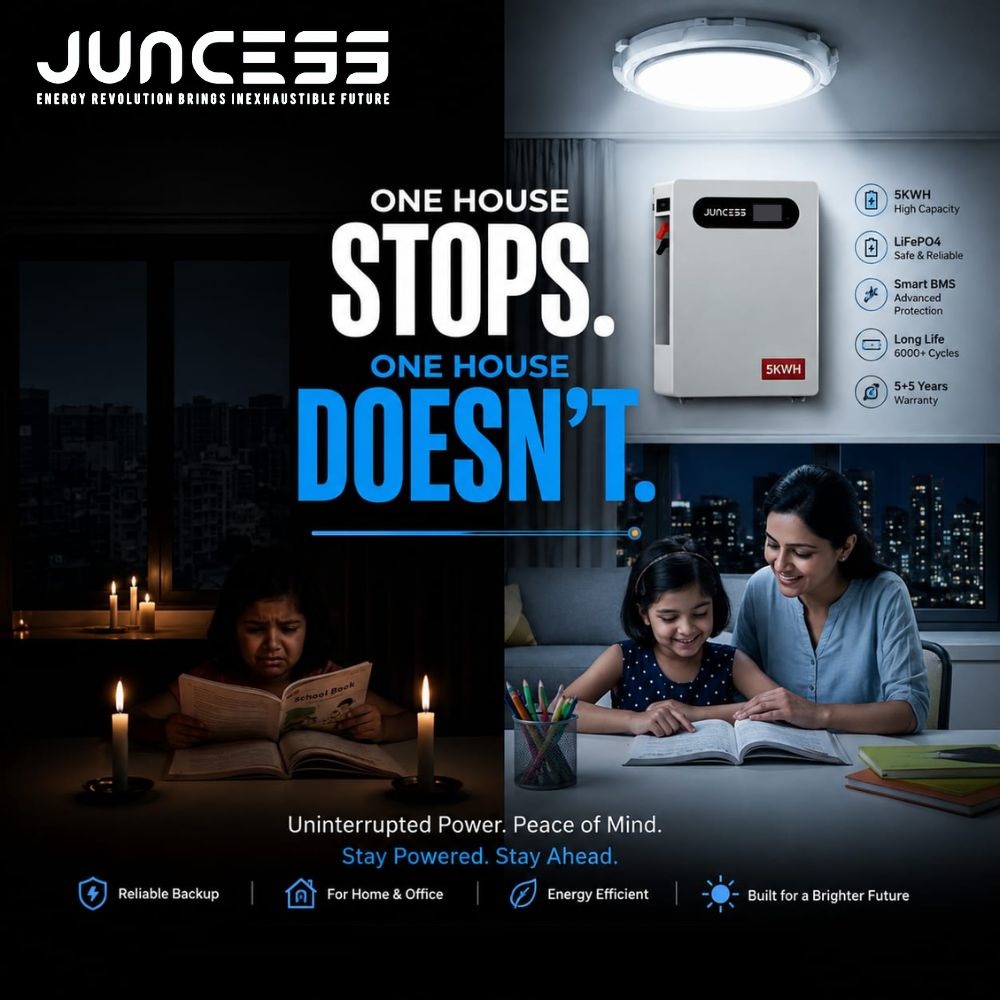
Traditional grid-tied PV systems can only use power immediately upon generation, and feed surplus power to the grid, with revenue capped at the grid feed-in tariff. PV energy storage adds the logic of "self-consumption first": storing power during the day and discharging it for use in the evening, which not only reduces the purchase of expensive grid power, but also supports emergency power supply. This is why users call it "the first step to energy autonomy".
It solves three major pain points: electricity costs (widening peak-valley price gaps), power supply security (outages caused by extreme weather), and revenue generation (surplus power grid connection + peak shaving and valley filling).
Working Principle (Component Breakdown)
For a complete PV energy storage system, energy travels from sunlight to your power socket through five links:
PV array: Solar panels installed on rooftops or the ground, which convert light energy into direct current.
Inverter: Converts direct current into alternating current that can be used in households; energy storage systems mostly use "hybrid inverters", with one end connected to PV panels, one end to the battery, and the last end to the public grid.
Controller/Energy Management System (EMS): Equivalent to the system's brain, it decides "whether to charge, discharge, or sell electricity now", and performs automatic scheduling based on peak and valley electricity prices.
Energy storage battery: The "fuel tank" of the system, with lithium iron phosphate batteries as the mainstream option, responsible for storing excess electricity.
Load/grid: During the day, PV power supplies household loads first, excess power charges the battery, and any remaining surplus is sold to the grid; at night, the battery discharges to supplement household power consumption, and power is purchased from the grid when the battery runs low.
In this entire chain, the most easily overlooked part is the EMS in the third link. A high-quality energy management system can automatically schedule power based on real-time electricity prices and weather forecasts, saving an extra 10%–20% on annual electricity bills. For differences between battery types (lithium iron phosphate / sodium-ion / lead-acid), refer to the comparison of energy storage batteries.
If you only want to save electricity costs and the local grid feed-in tariff is acceptable, a grid-tied system is the most cost-effective choice; if you experience more than 3 power outages a year, or have refrigerators/medical devices that cannot lose power, you can directly opt for a hybrid system. It is suitable for industrial and commercial owners facing large peak-valley price gaps, remote residents with frequent power outages, urban households with high electricity tariffs and no occupants at home during the day, and villa owners pursuing energy autonomy.



International Headquarters :
No. 801 Huagang Road, Wujiang Economic and Technological Development Zone, Suzhou City, Jiangsu Province, China
Global Customer Service Center:
Room 1101, Building 7, Phase 2, Nan'an Xindi, Suzhou Industrial Park, Jiangsu Province, China
No.20306 & 20307, 1st Street, 2nd Floor, East No.3 Gate, Zone 2, Yiwu International Trade City, Zhejiang Province, China
3rd Floor, Plaza No. 157, Main Boulevard, Sector C, DHA Phase 6, Lahore, Pakistan
No. 65A Rustaveli Street, Yakasaray District, Tashkent, Uzbekistan
