

 +400-8110278

 International Headquarters:
No. 801 Huagang Road, Wujiang Economic and Technological Development Zone, Suzhou City, Jiangsu Province, China
Global Customer Service Center:
Room 1101, Building 7, Phase 2, Nan'an Xindi, Suzhou Industrial Park, Jiangsu Province, China
No.20306 & 20307, 1st Street, 2nd Floor, East No.3 Gate, Zone 2, Yiwu International Trade City, Zhejiang Province, China
3rd Floor, Plaza No. 157, Main Boulevard, Sector C, DHA Phase 6, Lahore, Pakistan
No. 65A Rustaveli Street, Yakasaray District, Tashkent, Uzbekistan
How to discharge the inverter in the safest way
When the photovoltaic inverter needs to discharge, a series of safety measures must be taken to avoid the risk of electrocution or damage to electrical equipment. The following are some safety measures for photovoltaic inverter discharge.
The photovoltaic inverter shall discharge itself within a specific period during operation. In this case, the inverter circuit will automatically drain the energy stored in the capacitor, ensuring that the interior of the inverter is fully discharged before further maintenance.
Discharge is required when repairing the inverter, which can be more dangerous. In this case, it is necessary to first turn off the switches and circuit breakers of the inverter. Next, remove the wires and cables on the inverter, and install a resistive load on each cable port to gradually consume the energy inside the capacitor.
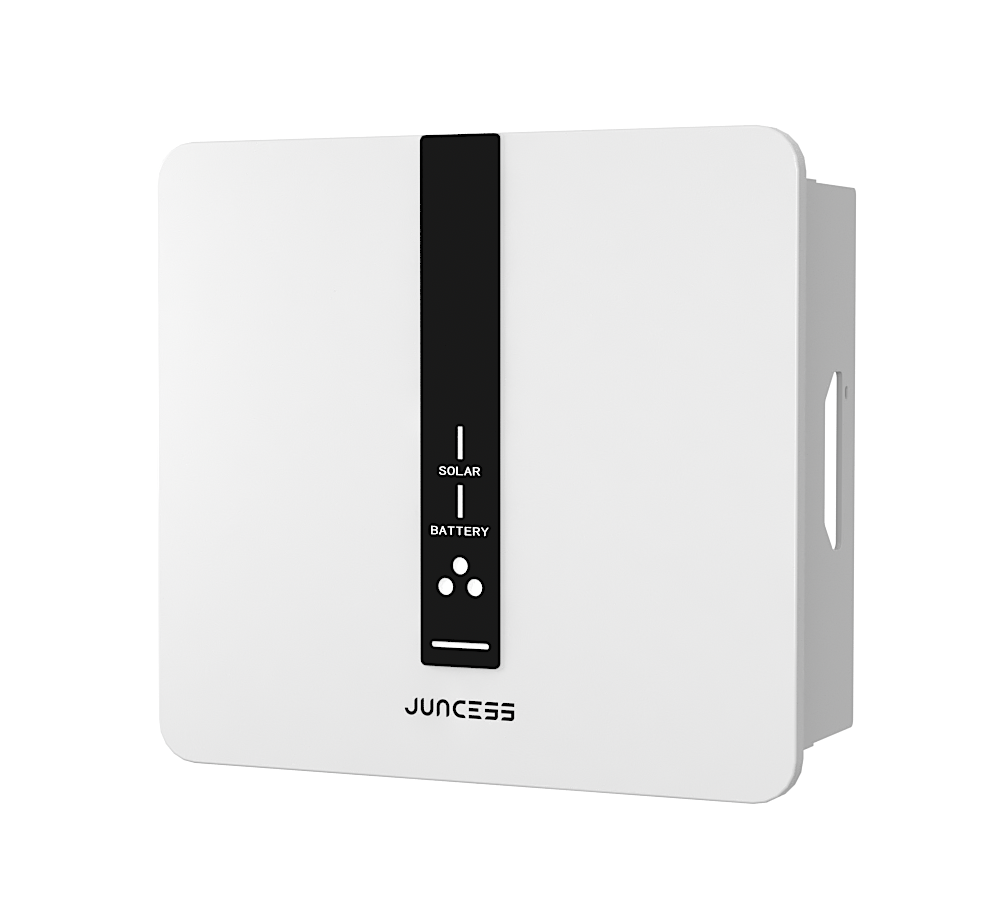
In addition, if you do not have the professional skills to perform the discharge operation safely, you should seek help from the inverter manufacturer or an authorized maintenance service provider. These professional institutions usually have rich discharge experience and professional skills to carry out such work. They can also provide related maintenance services for the inverter, including laboratory testing, component repair and replacement.
Common Causes of No Output from the Inverter
Input power problem: Check whether the input power is normal and meets the requirements of the inverter. It is recommended to use the battery matching the inverter, and mains power supply can be used as a backup power source in important occasions.
Inverter failure: Check whether the inverter has a fault. You can refer to the inverter operation manual and check the fault code to better diagnose the fault. If the fault is serious, you can contact the manufacturer's customer service for help.
Overload: Check whether the inverter exceeds its tolerance range. If higher power output is required, additional inverters need to be added to meet the energy demand.
Battery aging: The battery of the inverter may have aged, resulting in weakened power supply capacity and affecting power output. If the battery has aged, the corresponding new battery needs to be replaced.
Environmental factors: Check whether the working conditions of the equipment are too harsh or too strict. For outdoor inverters, the equipment maintenance window needs to be cleaned regularly to prevent impurities attached to the equipment from blocking the heat dissipation holes and damaging the inverter.




International Headquarters :
No. 801 Huagang Road, Wujiang Economic and Technological Development Zone, Suzhou City, Jiangsu Province, China
Global Customer Service Center:
Room 1101, Building 7, Phase 2, Nan'an Xindi, Suzhou Industrial Park, Jiangsu Province, China
No.20306 & 20307, 1st Street, 2nd Floor, East No.3 Gate, Zone 2, Yiwu International Trade City, Zhejiang Province, China
3rd Floor, Plaza No. 157, Main Boulevard, Sector C, DHA Phase 6, Lahore, Pakistan
No. 65A Rustaveli Street, Yakasaray District, Tashkent, Uzbekistan
