

 +400-8110278

 International Headquarters:
No. 801 Huagang Road, Wujiang Economic and Technological Development Zone, Suzhou City, Jiangsu Province, China
Global Customer Service Center:
Room 1101, Building 7, Phase 2, Nan'an Xindi, Suzhou Industrial Park, Jiangsu Province, China
No.20306 & 20307, 1st Street, 2nd Floor, East No.3 Gate, Zone 2, Yiwu International Trade City, Zhejiang Province, China
3rd Floor, Plaza No. 157, Main Boulevard, Sector C, DHA Phase 6, Lahore, Pakistan
No. 65A Rustaveli Street, Yakasaray District, Tashkent, Uzbekistan
HPBC 2.0 in Hi-MO X10: Turning High Cell Efficiency into Rooftop Power Gains
For commercial and industrial solar projects, module efficiency is only one part of the performance equation. Roof space, installation conditions, dust accumulation and long-term power retention can all influence how effectively a photovoltaic system generates electricity. Choosing a module therefore requires more than comparing rated wattage; project developers also need to consider the conditions in which the equipment will operate.
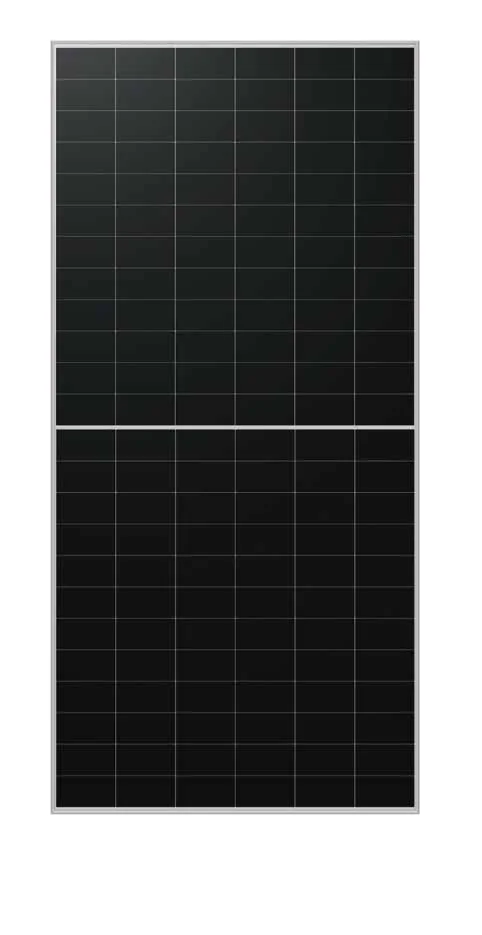
The Hi-MO X10 Guardian LR7-72HVHF 640-670M is designed around these practical considerations. Equipped with HPBC 2.0 cells, the module combines high conversion efficiency with a frame design intended to reduce the impact of dust accumulation. Its power range of 640W to 670W and stated suitability for industrial and commercial color steel tile roofs make it a relevant option for projects where roof utilization and long-term generation performance are important.
HPBC 2.0 and the Value of Higher Module Efficiency
Photovoltaic cell technology plays a central role in determining how much electricity a module can generate from the sunlight it receives. The Hi-MO X10 Guardian series uses HPBC 2.0 cells, building on a high-efficiency cell design to deliver competitive module output.
According to the supplied specifications, the available module ratings range from 640W to 670W. Module efficiency increases across the range, from 23.7% for the 640W model to 24.8% for the 670W model. These figures provide a useful starting point when evaluating how much installed capacity can fit within a defined roof area.
For example, a project with limited usable roof space may benefit from higher-efficiency modules because more rated capacity can potentially be installed within the available area. This can be particularly relevant for commercial buildings where roof dimensions, equipment access routes and maintenance clearances limit the number of modules that can be installed.
However, module efficiency should not be considered in isolation. The final system output also depends on roof orientation, shading, operating temperature, inverter configuration, cable losses and installation quality. Developers should assess these factors together when comparing module options for a specific site.
Why Frame Design Matters on Commercial Rooftops
Dust accumulation is a practical issue for rooftop photovoltaic installations. Depending on local weather, nearby industrial activity, construction dust and rainfall patterns, particles can collect on module surfaces and reduce the amount of sunlight reaching the cells. Uneven accumulation may also create localized shading.
The Hi-MO X10 Guardian incorporates a distinctive frame design intended to reduce the impact of dust accumulation and improve power generation gains over the module's service life. This feature is worth considering when planning installations in environments where dust management can affect maintenance requirements and energy output.
The actual benefit depends on site conditions. A roof near a manufacturing facility, a dry region with frequent airborne dust or a location with limited rainfall may experience different soiling patterns from a cleaner, wetter environment. Module layout, roof slope and cleaning access can also influence how quickly deposits accumulate and how easily they can be removed.
For project developers, the practical approach is to assess the roof environment before estimating the value of a dust-conscious design. Local soiling data, maintenance records and realistic cleaning schedules can help establish more reliable generation forecasts. Claims about improved lifecycle output should be evaluated against applicable product testing or project-specific evidence rather than assumed to be identical at every installation.
Matching 640W to 670W Modules with Project Requirements
The power range gives buyers several options within the same product family. The 640W, 645W, 650W, 655W, 660W, 665W and 670W variants allow system designers to compare rated output and electrical characteristics against project requirements.
The higher-rated models offer greater nominal power per module, while the exact selection should also account for module availability, string design, inverter compatibility and the electrical limits of the installation. The supplied specifications list open-circuit voltage values from 53.70V to 54.30V under standard test conditions, depending on the model.
These values matter when calculating the number of modules that can be connected in series. Designers need to account for the increase in open-circuit voltage at low temperatures and confirm that the resulting string voltage stays within the inverter and system limits. The product's maximum system voltage is specified as DC 1500V under IEC conditions, but that rating does not replace project-level electrical calculations.
The Hi-MO X10 Guardian LR7-72HVHF 640-670M also has a listed maximum power output tolerance of 0 to +3%. Buyers should review the precise datasheet for the selected variant to confirm its rated power, current, voltage and module efficiency before finalizing a bill of materials.
Performance Under Changing Operating Temperatures
Solar modules operate under conditions that differ from standard laboratory testing. Cell temperature can rise well above ambient air temperature under strong sunlight, especially on roofs with limited ventilation. As temperature changes, the electrical characteristics of the module change as well.
The supplied data gives a maximum power temperature coefficient of -0.260%/°C, an open-circuit voltage coefficient of -0.200%/°C and a short-circuit current coefficient of +0.050%/°C. These figures help engineers estimate how module output may respond to temperature changes.
The negative power coefficient indicates that maximum power generally decreases as cell temperature rises above the reference temperature, all else being equal. This is one reason why project yield calculations should use realistic operating conditions rather than relying exclusively on the rated power shown on a product label.
The module's specified operating temperature range is -40°C to +85°C. Nevertheless, actual energy production depends on a combination of temperature, irradiance, wind, mounting configuration and other site conditions. Accurate modelling is especially important for industrial rooftops exposed to strong sunlight and elevated roof temperatures.
Mechanical Design and Electrical Protection
Long-term rooftop performance also depends on the module's physical construction and electrical protection features. The supplied specifications list a single-glass structure using 3.2mm coated tempered glass, an anodized aluminum alloy frame and an IP68-rated junction box with three bypass diodes.
The module measures 2382 × 1134 × 30mm and weighs 28.5kg. These dimensions and weight should be included in roof layout planning, handling procedures and installation logistics. Structural engineers should confirm that the existing roof and mounting system can accommodate the total installed load, including mounting hardware and applicable environmental loads.
The listed maximum static loading is 5400Pa on the front side and 2400Pa on the rear side. The supplied hail test condition is a 25mm hailstone travelling at 23m/s. These specifications provide reference points for evaluating mechanical suitability, but they should be checked against local building codes, project wind and snow conditions, and the manufacturer's installation instructions.
The junction box, cable arrangement and maximum series fuse rating of 25A also need to be considered during system design. Installers should follow the applicable electrical documentation and avoid making connections based solely on general product descriptions.
Understanding Long-Term Power Retention
A commercial solar installation is typically evaluated over many years, so long-term power retention can be an important part of procurement decisions. The supplied product information states a 30-year power warranty, with a specified power level of 100% at Year 0 and 88.85% at Year 30.
This figure gives buyers a reference for evaluating the module's stated long-term power guarantee. It can be incorporated into financial modelling alongside expected annual irradiation, degradation assumptions, system availability, maintenance costs and electricity consumption patterns.
It is important to distinguish a warranty's guaranteed power level from the energy a system will actually generate. A module's output in any given year depends on weather, shading, soiling, operating temperature and system losses, among other factors. Buyers should review the complete warranty document to understand its terms, exclusions and claim procedures before making procurement decisions.
For projects where predictable long-term performance is important, comparing warranty terms and documented degradation assumptions across shortlisted modules can help establish a more consistent basis for evaluation.
Working with an Experienced Solar and Energy Storage Partner
Product selection is only one stage of a commercial solar project. Buyers also need to coordinate technical documentation, supply planning, logistics and the relationship between photovoltaic generation and any associated energy storage system.
Jiangsu Juncess Energy Co., Ltd. has 11 years of experience in the new energy sector, with business capabilities spanning photovoltaic module trading, overseas channels, energy storage manufacturing and integrated solar-storage solutions. The company reports more than 400 long-term strategic partners and a global business footprint across Asia, Europe, Africa, the Middle East and Australia.
Its established market experience includes Pakistan and Central Asian markets, particularly Uzbekistan, alongside activity in Australia and expansion plans for West African markets such as Nigeria. This regional experience can be relevant when buyers need to coordinate product supply and project requirements across different markets.
The company also reports energy storage production capacity of 1.5GWh and focuses on integrating photovoltaic and energy storage technologies with digital energy and AI-related capabilities. For commercial and industrial customers, this broader scope can support discussions about how rooftop generation fits into a wider energy strategy. Specific product certifications, project compatibility and service arrangements should still be confirmed for each procurement.
Evaluating Hi-MO X10 for Your Next Rooftop Project
Selecting a high-efficiency module involves balancing rated power, usable roof area, environmental conditions, mechanical requirements and long-term performance expectations. HPBC 2.0 technology and module efficiencies reaching 24.8% give the Hi-MO X10 Guardian series clear technical points for consideration, while its frame design addresses the practical challenge of dust accumulation.
For industrial and commercial color steel tile roofs, buyers should begin with a site assessment, verify the roof's structural capacity and confirm the module's electrical compatibility with the proposed system. They should also review the full datasheet, warranty documentation, installation requirements and expected maintenance conditions before committing to a design.
The Hi-MO X10 Guardian LR7-72HVHF 640-670M offers a range of power ratings for projects seeking high module output and a design intended to support rooftop generation over time. Matching the selected variant to the actual site conditions, supported by sound engineering and realistic performance modelling, is the most reliable way to evaluate its suitability for a commercial or industrial solar installation.




International Headquarters :
No. 801 Huagang Road, Wujiang Economic and Technological Development Zone, Suzhou City, Jiangsu Province, China
Global Customer Service Center:
Room 1101, Building 7, Phase 2, Nan'an Xindi, Suzhou Industrial Park, Jiangsu Province, China
No.20306 & 20307, 1st Street, 2nd Floor, East No.3 Gate, Zone 2, Yiwu International Trade City, Zhejiang Province, China
3rd Floor, Plaza No. 157, Main Boulevard, Sector C, DHA Phase 6, Lahore, Pakistan
No. 65A Rustaveli Street, Yakasaray District, Tashkent, Uzbekistan
